Square

Square Mulch Calculator

A 4 × 4 ft square raised bed is the single most common DIY footprint at U.S. home-improvement stores — it matches the off-the-shelf cedar kit you can carry out in one trip. This square mulch calculator squares the side, applies depth, and returns bags, cubic yards, and cost. The quick-reference table below covers nine standard sizes so you can shop straight from the chart.
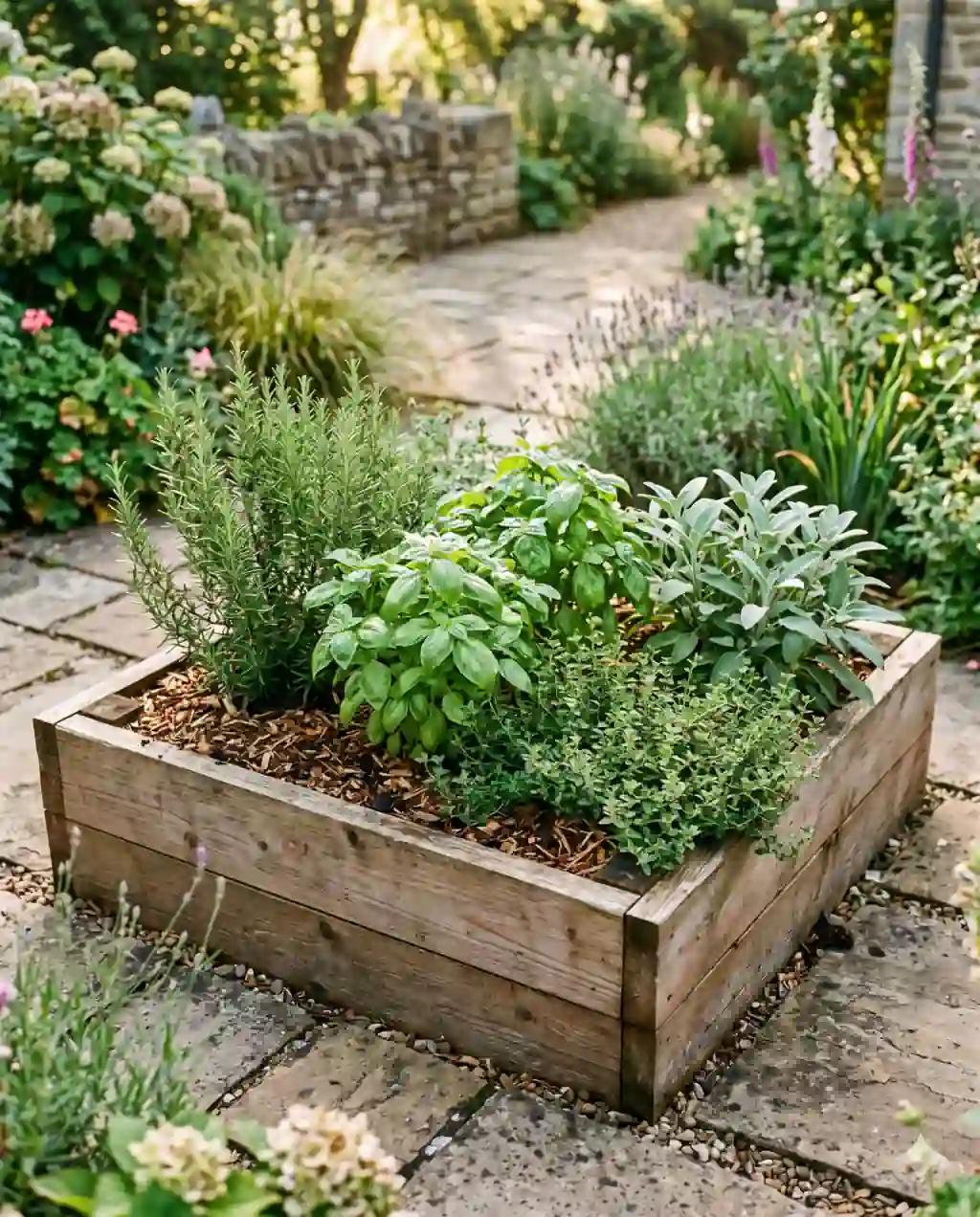
A 4 by 4 foot cedar raised garden bed topped with light brown mulch, growing rosemary, thyme, basil, and sage.
Photograph for MulchCalc.
The worksheet

Do the
math here.

Enter dimensions in the units you measured in. The page does the converting — cubic feet, cubic yards, bag counts, and price — without sending your numbers anywhere.

The quick-reference table (3-inch standard depth)

These nine sizes cover roughly 90% of residential raised beds and modular plantings. All assume 3-inch depth, which Cornell Bulletin 245 lists as the standard for established beds. Bag counts include a 10% settling buffer.

Side (ft)Area (sq ft)Volume (cu ft)2 cu ft bags3 cu ft bagsCubic yardsBulk @ $40/yd
2 × 241.0110.04$2
3 × 392.3210.08$3
4 × 4164.0320.15$6
5 × 5256.3430.23$9
6 × 6369.0540.33$13
8 × 86416.0960.59$24
10 × 1010025.01490.93$37
12 × 1214436.020131.33$53
16 × 1625664.035232.37$95

Reading the rows: why 4 × 4 ft is the sweet spot

Three things make the 4 × 4 ft size dominant: standard lumber (8 ft boards cut in half), arm-reach geometry (you can weed from any side without stepping on soil), and mulch math (2 bags of 3 cu ft mulch is the simplest possible re-mulch shopping list).

Depth band: when to deviate from 3 inches

  • 2 inches — herb beds, seedling beds, and any bed where 2-inch annuals push through. Below this depth weed seeds still germinate.
  • 3 inches — the standard. Ornamental beds, established perennials, vegetable plots after transplanting.
  • 4 inches — high-traffic edges, drought-prone zones, and tree rings (per ANSI A300). Add ~33% to the volume in the table above.
  • Above 4 inches — not recommended for any square bed. Oxygen exchange to the root zone drops and fungal disease rises.

Worked example: a 4 × 4 ft kitchen herb bed

Square vs rectangular: when each tool wins

Use the square calculator only when all four sides are truly equal (within 5%). Stretch a tape across both diagonals — they should match within 1–2 inches. If they don't, the bed is a parallelogram or trapezoid; switch to the rectangular or irregular mulch calculator.

Reader Letters

Frequently asked questions

How do I measure a square bed?+

Tape one side in feet. All four sides of a true square are equal, so one measurement gives you everything you need. As a check, measure both diagonals — they should match within 1–2 inches; if they don't, the bed isn't square and the rectangular calculator will be more accurate.

How much mulch for a 4 × 4 ft square bed?+

16 sq ft × 3-inch depth = 4 cu ft, or 3 bags of 2 cu ft (with buffer) or 2 bags of 3 cu ft. At $4.50 per 2 cu ft bag that's about $13.50. Drop to 2-inch depth for an herb bed and it falls to 2 bags.

What if my bed is slightly rectangular?+

Within 5–10% (e.g. 4 × 3.7 ft), the square calculator gives a reasonable estimate. Beyond that, switch to the rectangular mulch calculator. The error compounds with depth — a 10% area error at 3 inches is 10 sq ft of extra mulch on a 100 sq ft bed.

Best depth for a square herb bed?+

2 inches is the sweet spot — heavy enough to suppress most weed germination but light enough that herb seedlings can push through. Cornell Bulletin 245's general 2–4 inch band applies, but the lower end is friendlier to small-seeded herbs like dill and chervil.

How many square beds can one cubic yard cover?+

At 3-inch depth, 1 cu yd covers 108 sq ft total — that's three 6 × 6 ft beds with a small remainder, or twelve 3 × 3 ft beds. At 2 inches it covers 162 sq ft, enough for ten 4 × 4 ft herb beds.

Does this work for square stepping stones inside the mulch?+

Yes. Calculate the full square area, then subtract the stones (count × stone area). 18-inch stones each take 2.25 sq ft; eight of them subtract 18 sq ft from a 10 × 10 ft bed, leaving 82 sq ft of mulch coverage.

Why is 4 × 4 ft the most common raised-bed size?+

It matches standard 8 ft lumber cut in half, fits within a single garden-center cart, and lets you reach the center from any side without stepping on the soil. Iowa State Extension PM 0870 recommends it as the default for vegetable raised beds.