Multi-area

Multi-Area Mulch Calculator

Most yards are not one tidy rectangle. You have a front border, an island bed, a strip along the fence, and a ring or two around trees — each a different size, sometimes a different depth. This multi-area mulch calculator lets you enter every bed at once and returns a single total: combined cubic yards, bag count, and cost, so you order once instead of guessing bed by bed.
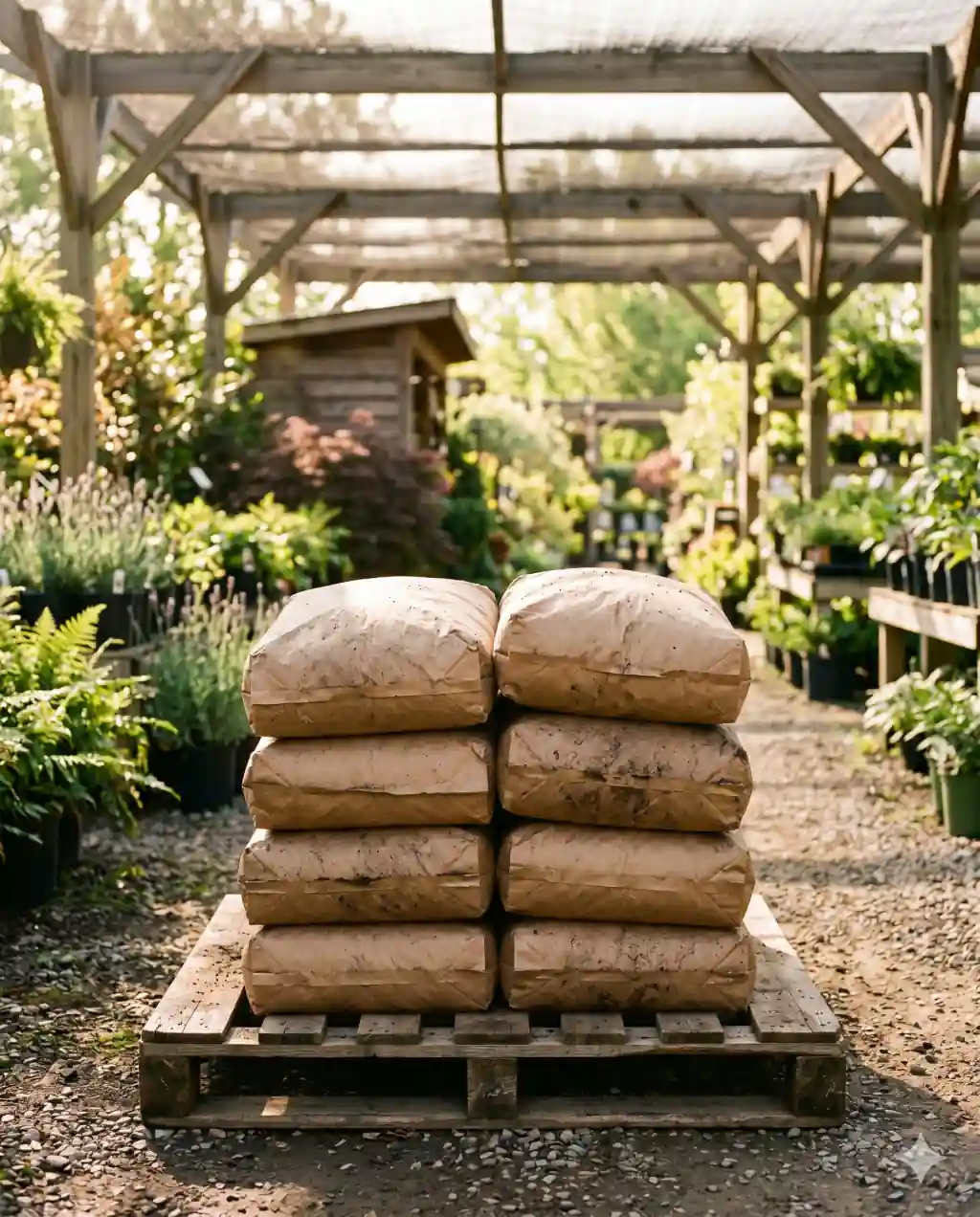
A stack of brown paper mulch bags on a wooden pallet in warm morning light at a garden center.
Фотография для MulchCalc.
Рабочий лист

Считайте
прямо здесь.

Введите размеры в тех единицах, в которых измеряли. Страница сама пересчитает —— кубические футы, кубические ярды, число мешков, цену —— ваши числа никуда не уходят.

Why measure every bed together

Ordering mulch one bed at a time is where most driveway-sized over-orders come from. Rounding up to a whole bag on each of six beds can add most of a cubic yard of waste; rounding a bulk order up to the supplier minimum on each separate delivery is worse still. Adding the beds first, then applying a single 10% settling buffer to the combined volume, is both cheaper and more accurate.

The calculator sums each bed's area, multiplies by its depth, and converts the total to cubic yards and bags. Add or remove zones as you walk the yard; the running total updates as you go.

How the total is calculated

  1. Area of each bed — length × width for rectangles (measure irregular beds as a set of rectangles and add them).
  2. Volume — total area × depth in feet (depth ÷ 12). Beds at different depths are handled per-zone, then summed.
  3. Buffer — add 10% to the combined volume for settling, spillage, and uneven ground.
  4. Bags — divide the buffered cubic feet by your bag size (1.5, 2, or 3 cu ft) and round up once, for the whole project.

Splitting an odd-shaped bed into two or three rectangles and adding them is accurate to within a few percent — well inside the margin the 10% buffer already covers.

Письма читателей

Частые вопросы

Can I use different depths for different beds?+

Yes. Vegetable beds usually want 1–2 inches, flower borders 2–3, and tree rings 3–4. Set each zone's depth and the calculator sums the volumes correctly rather than forcing one depth across the whole project.

How do I measure an irregular bed?+

Break it into rectangles. A kidney-shaped bed is usually two or three rectangles laid end to end; measure each, enter them as separate areas, and the total absorbs the small gaps and overlaps — the 10% buffer covers the rest.

Should I order bagged or bulk for a big multi-bed project?+

Once your combined total passes roughly 5 cubic yards, bulk delivery is usually cheaper even after the delivery fee. Use the Bagged vs Bulk calculator with your combined volume to see the exact break-even for your local prices.